P0736 Code: Reverse Gear Ratio Meaning, Causes and What to Do
P0736 means the transmission controller has detected an incorrect or abnormal gear-ratio relationship while reverse is selected. In plain terms, the speed readings the controller uses do not match the relationship it expects for reverse. The code points to a detected mismatch; it does not identify a failed part or prove that the transmission needs… Read More: P0736 Code: Reverse Gear Ratio Meaning, Causes and What to… »

Hyundai Accent P0326 Code: Meaning, Causes and Whether You Can Drive

P0326 means the engine computer has detected a knock-sensor signal outside its specified range. Its standard definition is Knock Sensor 1 Circuit Range/Performance, Bank 1 or single sensor. On a Hyundai Accent, the code points to an abnormal signal in the knock-sensor system; it does not, by itself, prove that the sensor has failed or… Read More: Hyundai Accent P0326 Code: Meaning, Causes and Whether You Can… »

Clunking Noise When Turning the Steering Wheel: Causes and Whether It’s Safe to Drive

A clunk when turning the steering wheel does not, by itself, show whether your car is safe to drive or identify which part has a problem. Steering, suspension, and drivetrain faults can produce similar noises, and some affected components are safety-critical. Arrange a professional inspection promptly; if steering or handling has changed, stop somewhere safe… Read More: Clunking Noise When Turning the Steering Wheel: Causes and Whether… »

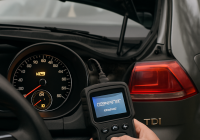
Common VW Golf Diesel DPF Problems: Symptoms and Warning Lights

There is not enough verified, model-specific evidence available here to say that a particular DPF fault is common to all VW Golf diesels. The issues owners may need investigated include a DPF warning, difficulty with regeneration, soot or ash accumulation, and faults involving sensors or related emissions equipment—but these are possibilities to check, not confirmed… Read More: Common VW Golf Diesel DPF Problems: Symptoms and Warning Lights »

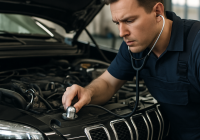
Why Is My Jeep Cherokee Knocking or Clunking When Accelerating? Causes and Checks

A knocking or clunking noise when your Jeep Cherokee accelerates can come from the engine, engine mounts, driveline, transmission, or wheel and suspension area. The sound alone cannot confirm which part is at fault. A single clunk as power is applied is different from a repeated engine-like knock or ping, so note when it happens… Read More: Why Is My Jeep Cherokee Knocking or Clunking When Accelerating?… »

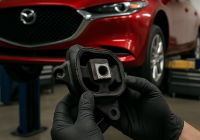
Mazda 3 Transmission Mount Symptoms and Replacement: What to Check

A worn or damaged transmission mount can contribute to cabin vibration while the engine is running, and it may also be associated with unusual noise or excessive powertrain movement. These signs are not proof that the transmission mount has failed: engine mounts and other components can produce similar symptoms, so an inspection is needed to… Read More: Mazda 3 Transmission Mount Symptoms and Replacement: What to Check »

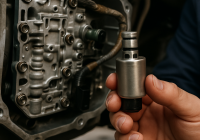
P2714 Code: Pressure Control Solenoid D Causes, Location and Repair

A pressure control solenoid D performance or “stuck off” fault, commonly associated with code P2714, can be caused by a faulty solenoid, low or contaminated transmission fluid, a clogged filter, wiring or other electrical problems, or a fault in the transmission pump or valve body. The code points to a pressure-control performance problem; it does… Read More: P2714 Code: Pressure Control Solenoid D Causes, Location and Repair »